Hai Van Pass was constructed by Emperor Minh Mang in 1826 with the primary goal of controlling the critical North-South land route, which was vital for the movement of people and goods. Additionally, it served as a strategic point to protect Da Nang Bay and the imperial capital of Hue. Situated at an altitude of 490 meters above sea level, Hai Van Pass was originally a formidable military fortress, complete with robust walls, defensive fortifications, and powerful cannons.
Over the years, however, the monument gradually fell into a state of neglect and disrepair. This deterioration continued until 2017, when Hai Van Pass was finally recognized as a national heritage site, highlighting its historical and cultural significance. In 2021, a comprehensive restoration project was launched with a budget of over 40 billion VND, funded by the governments of Da Nang and Thua Thien Hue. This ambitious project aimed to restore the monument to its former glory while preserving its unique historical essence.
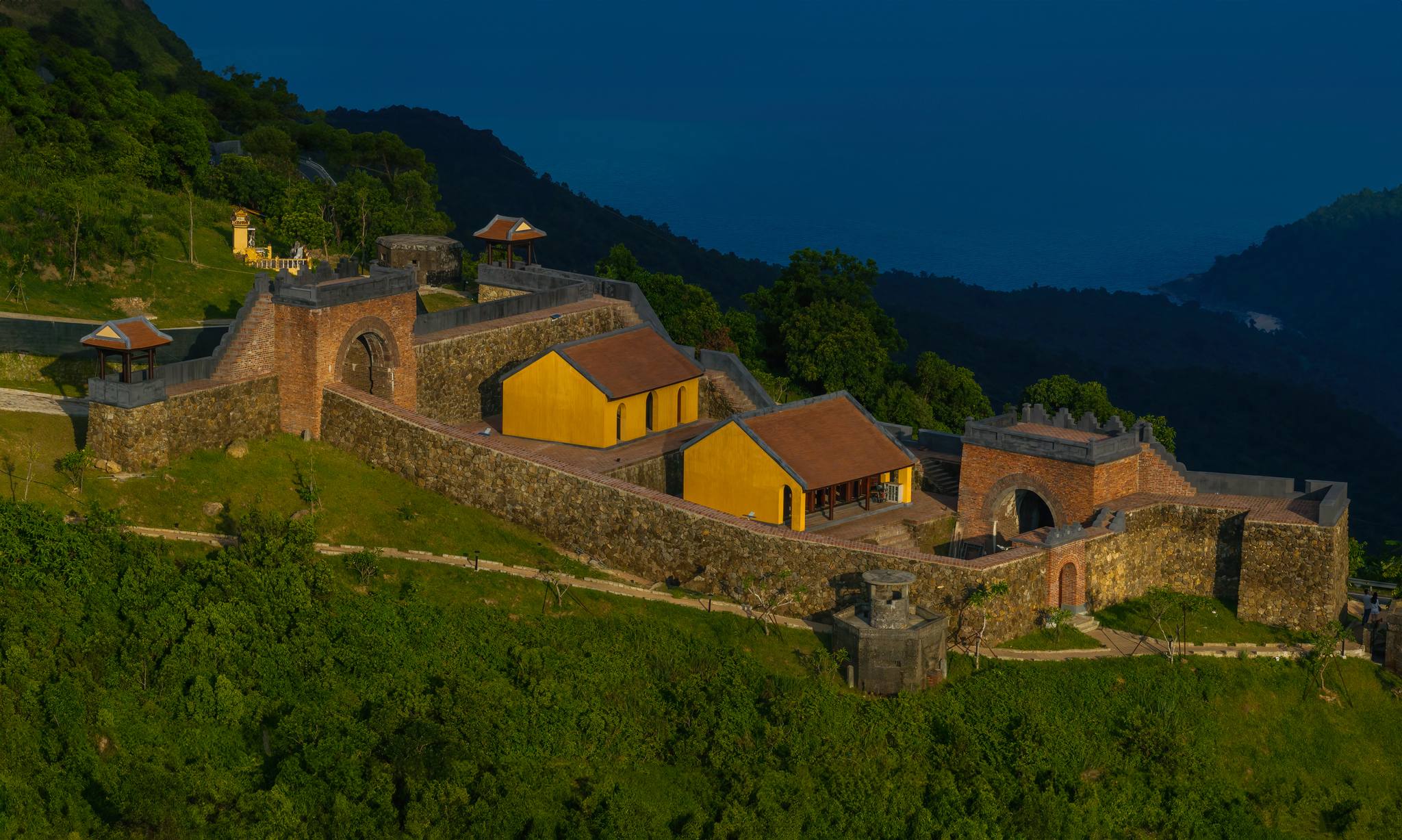
The restoration has bestowed upon Hai Van Pass a refreshed and majestic appearance while maintaining its ancient charm. The reconstruction was meticulously carried out, drawing inspiration from Nguyen Dynasty architecture and integrating findings from archaeological excavations and historical photographs. This careful blend of old and new ensures that the site's authenticity is preserved while making it more accessible and visually appealing to modern visitors.
Tourists visiting Hai Van Pass can marvel at the impressive main gate, constructed from large bricks, and the sturdy stone walls that encircle the area. The gate proudly displays the imposing Chinese characters "Hai Van Quan," symbolizing the pass's historical importance. Within the monument, visitors will find a guardhouse and a three-room armory, which historically served as storage for weapons and a resting place for soldiers. Additionally, the site features walls, fortresses, and bunkers from the French and American periods, preserved as tangible evidence of the site's varied historical roles.
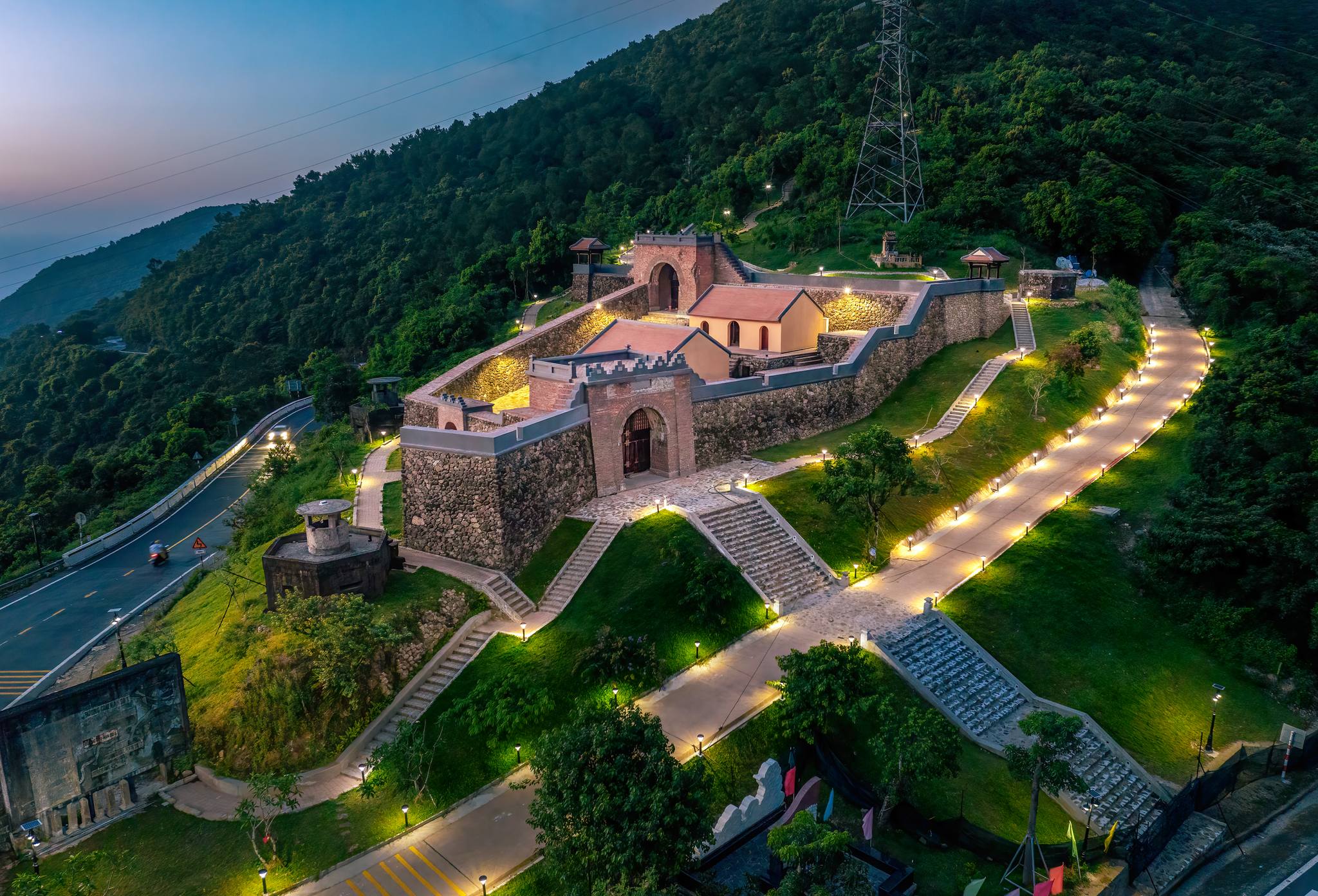
Beyond its architectural significance, Hai Van Pass is also renowned for the breathtaking natural scenery that surrounds it. From its elevated position, visitors can take in panoramic views of the picturesque Lang Co Bay, the modern skyline of Da Nang, and the lush greenery of the Son Tra Peninsula. This blend of historical and natural beauty makes Hai Van Pass a uniquely captivating destination.
Although the restoration has been completed, Hai Van Pass has yet to officially open to the public due to ongoing discussions between Da Nang and Thua Thien Hue regarding the management and operation of the site. This delay has been a source of disappointment for many tourists and those in the tourism industry who are eager to showcase this revitalized historical landmark.
Nevertheless, the future looks promising for Hai Van Pass. With its rich historical and cultural values and stunning natural landscape, it is expected to become a highly attractive tourist destination. This influx of tourism is anticipated to contribute significantly to the socio-economic development of both Da Nang and Thua Thien Hue, highlighting the monument's enduring legacy and its potential to inspire future generations.
Minh Toan & Nguyen Tan Anh Phong


 Tin liên quan


